
The fastest-scaling Turo hosts aren't chasing exotic cars on loans. They buy cheap, reliable cars in cash and increasingly lean on monthly rentals. Cash cars cap the downside and pay themselves back fast; monthly rentals smooth out income and cut the cost of constant turnovers.
This guide covers why monthly rentals are worth chasing, why buying in cash beats financing for scaling, and how the two combine into a flywheel that funds your next car.
Turo is pushing monthly rentals -- here's why that's good for hosts
Si Es Vida Rentals on how monthly rentals can out-earn a string of short trips.

Why monthly rentals are worth chasing
Turo has been pushing monthly rentals harder, and for scaling hosts that's a gift. A car booked for a month trades a higher headline daily rate for things that matter more at scale:
- Steadier income -- one booking covers 30 days instead of hoping to stitch together back-to-back trips.
- Fewer turnovers -- every handoff is cleaning, inspection, key exchange, and wear. A monthly rental is one turnover instead of eight.
- Lower vacancy risk -- no gaps between trips bleeding your utilization.
- Less guest management -- one renter, one conversation, far fewer messages.
- Tighter mileage limits, stronger overage protection -- monthly rentals can be capped as low as ~60 miles/day, versus a 200-mile/day floor on daily and weekly trips. The per-mile overage fee also runs 3-4x higher -- a Fiat 500 that charges about $0.13/mile over on a daily trip charges around $0.35/mile on a monthly -- so heavy use protects your margin instead of eating it.
The daily rate on a monthly is lower, but after you subtract turnover costs and account for higher utilization, the net per car is often comparable or better -- with a fraction of the operational load.
Monthly vs. daily rentals at a glance
| Factor | Daily rentals | Monthly rentals |
|---|---|---|
| Headline rate | Higher per day | Lower per day |
| Utilization | Gaps between trips | Locked for the month |
| Turnovers / cleaning | Many | One |
| Guest messages | High volume | Low |
| Mileage & overage | 200+ mi/day floor; ~$0.13/mi over | As low as 60 mi/day; 3-4x fee (~$0.35/mi) |
| Income stability | Variable | Predictable |
| Best for | Peak weekends, holidays | Baseline income, hands-off cars, slow/off-peak seasons |
Buy cash cars: cap the downside, compound faster
The other half of the playbook is how you acquire cars. Scaling hosts who last tend to buy cheap, reliable cars in cash rather than financing flashy ones:
- No payment eating your margin. A loan turns a slow month into a loss. A cash car that sits costs you nothing but opportunity.
- Faster true ROI. Cheaper purchase price means the car pays itself back in months, not years.
- Debt-free scaling. Once a car pays itself back, its cash flow buys the next one -- no lender, no risk stack.
- Lower stakes per car. Damage, downtime, or a soft market hurts a lot less on a cheap car than a financed luxury one.
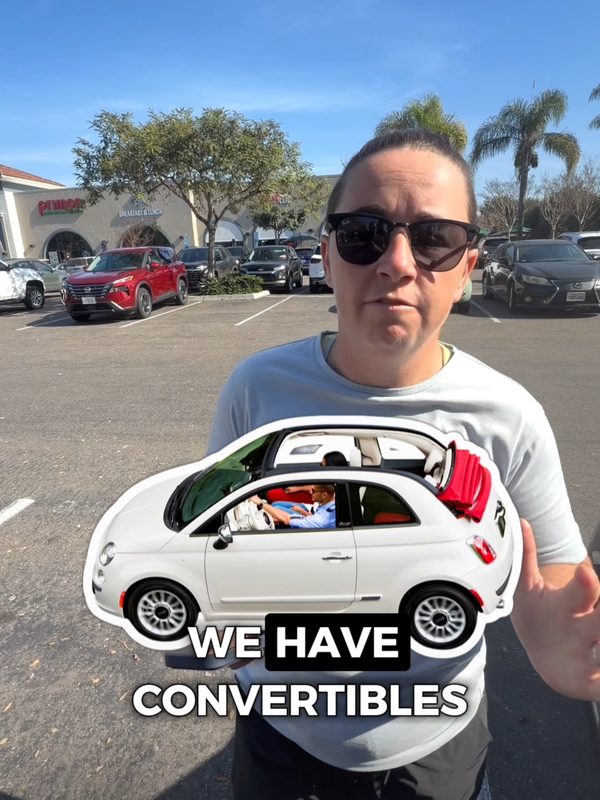
Si Es Vida Rentals makes this point with their Fiat 500s -- inexpensive cars that, by their account, returned the cash needed to buy them in about six months.
Cheap cars, fast ROI: the Fiat 500 example
Si Es Vida Rentals on how their low-cost Fiat 500s paid back their purchase price in roughly six months.
How cash cars + monthly rentals compound
Put the two together and you get a flywheel:
- Buy a cheap car in cash -- low purchase price, no loan.
- Put it on monthly rentals -- steady, low-effort income with minimal turnover.
- Track its payback -- watch the car earn back its purchase price.
- Reinvest -- once it's paid off, the cash flow funds the next cash car.
No debt, low operational load, and each car compounds into the next. It's slower to start than financing five luxury cars at once, but it's far harder to blow up -- and it scales on your own cash flow instead of a lender's patience.
What to watch for
The playbook works, but it isn't free money:
- Don't overpay for "cool." A car you like is not the same as a car that pays back fast. Run the numbers before the heart.
- Vet monthly renters carefully. A month is long exposure -- screen for wear, mileage limits, and payment reliability.
- Budget maintenance on cheap cars. Low purchase price can mean higher upkeep. Track it per vehicle.
- Confirm monthly demand locally. Relocations, insurance replacements, and traveling workers drive monthly demand -- make sure your market has it before committing a car.
- Mind depreciation and insurance. Cheaper cars depreciate less in dollar terms, but verify your commercial coverage and run true profit after depreciation.
Bottom line
You don't need expensive cars or a loan stack to scale on Turo. Buy cheap, reliable cars in cash, lean into monthly rentals for steady low-effort income, track each car's payback, and reinvest. It's the un-flashy strategy that quietly builds debt-free fleets.